Opening Times:

9.00 AM - 6.00 PM

stump-grinding-what-to-expect.png

What to Expect Before and After Stump Grinding

A tree stump can remain in a yard for years after the original tree is gone. It may interfere with mowing, interrupt landscaping, occupy useful space, or create an obstacle near a walkway or driveway.

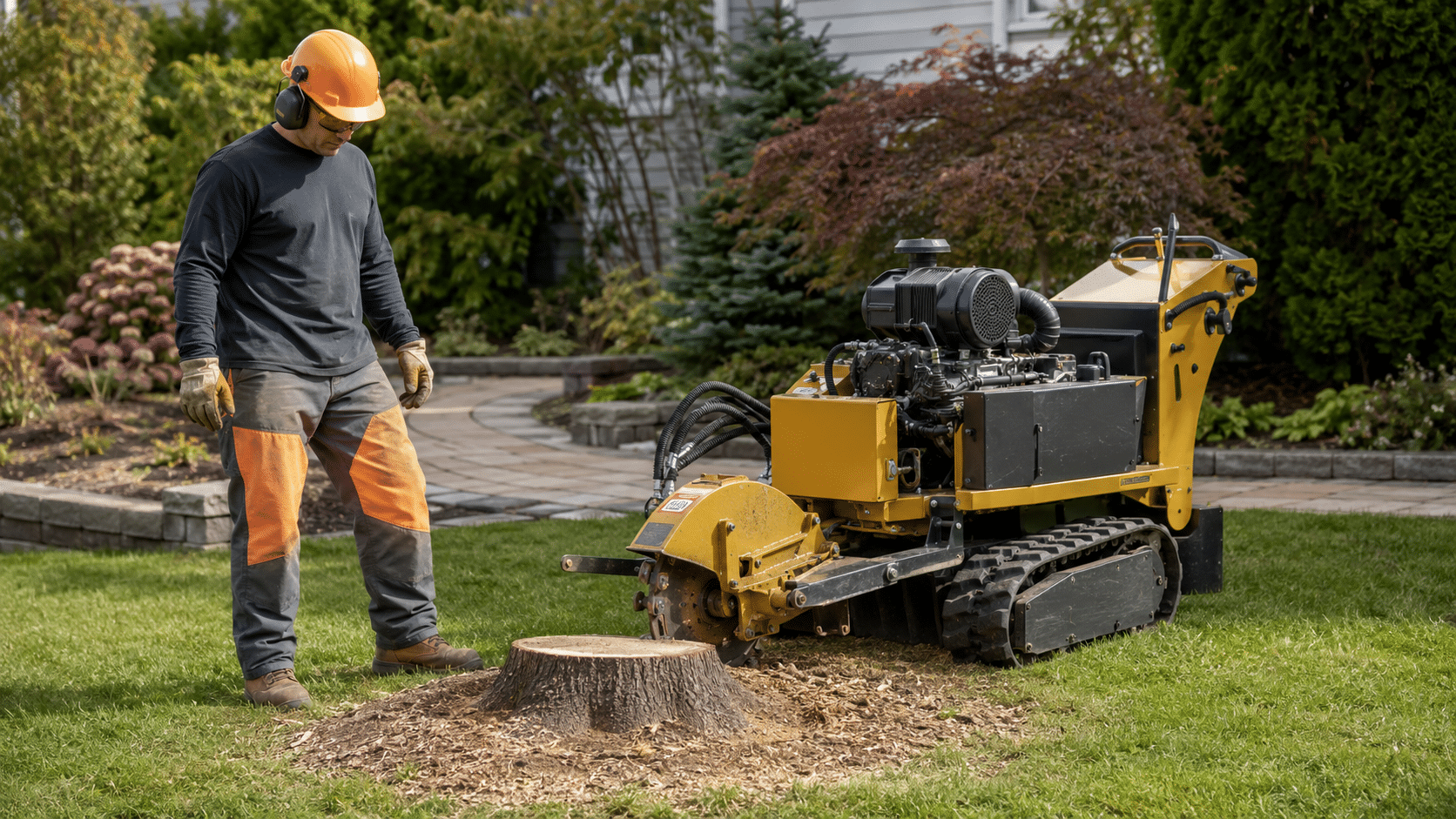
Stump grinding reduces the visible stump into small wood pieces. It does not pull the complete root system out of the ground, and the work required depends on more than the stump’s diameter.

Knowing what information matters before the estimate—and what remains afterward—can help you plan the project more clearly.

Stump Grinding and Tree Removal Are Separate Services

Tree removal addresses the standing tree. Stump grinding addresses the stump left at ground level.

Some property owners leave the stump temporarily and request grinding later. Others include both services in the same estimate because they already know the stump will interfere with their plans.

If you want both the standing tree and the stump addressed, mention both when describing the project.

Information to Gather Before Requesting an Estimate

You do not need exact measurements, but a few details can help explain the request:

  • The stump’s location on the property
  • Its approximate width
  • How high it sits above the surrounding ground
  • Whether it has exposed surface roots
  • What is located nearby
  • The route equipment would use to reach it
  • How you want to use the area afterward

Photos taken from more than one angle can show the stump, nearby property features, and available access.

Access Is Part of the Project

Equipment must reach the stump. A stump in an open front yard creates a different situation from one behind a building or inside a fenced area.

Useful access details include:

  • Gate widths
  • Narrow side yards
  • Steps or slopes
  • Fences and retaining walls
  • Sheds and other buildings
  • Walkways and patios
  • Landscaping along the access route
  • Parked vehicles or movable obstacles

Do not assume that a stump visible from the street is automatically easy to reach. Include access information with the estimate request.

Nearby Features Should Be Identified

Explain what is positioned around the stump. This may include a driveway, walkway, fence, garden bed, irrigation component, outdoor lighting, or another property feature.

Also share any information you have about known underground utilities or other buried components. Their locations should not be guessed based only on what is visible at the surface.

What Happens During Grinding

Grinding equipment reduces the visible wood into smaller pieces. The exact approach depends on the stump’s size, height, location, condition, and surroundings.

Keep people and pets away from the work area. Vehicles, outdoor furniture, toys, and other movable items should not block the planned access route or work area.

The work focuses on the stump rather than extracting the complete underground root system.

What Remains Afterward

Most roots remain below ground and gradually decompose. The grinding process also produces a mixture of wood pieces and surrounding material.

The amount of material depends on the size of the stump and the scope of the work. Discuss how the area will be left so you understand what is included in the project.

Because roots remain underground, the ground can change as buried wood breaks down over time. Future use of the area should account for that possibility.

Planning the Area’s Next Use

Your goal for the space can affect how you describe the project.

Common plans include:

  • Making mowing easier
  • Reclaiming part of the lawn
  • Removing an obstacle near a walkway
  • Preparing for a garden or landscaped area
  • Opening space for another property plan

Stump grinding reduces the visible obstruction, but it does not automatically prepare the area for every possible construction or planting project. Explain your intended use when requesting the estimate.

Can an Older Stump Still Be Ground?

A stump does not need to be from a recent tree removal. Older stumps can still be considered for grinding.

Age can change the stump’s condition, but size, location, access, surrounding property features, and the desired result remain important project details.

Stumps Near Fences, Walkways, and Buildings

A stump close to another property feature may require more planning than one in an open lawn.

When taking photos or describing the location, include:

  • The distance to fences or walls
  • Nearby paved surfaces
  • Changes in ground level
  • Tight corners along the access route
  • Landscaping you want to preserve

These details make the complete setting easier to understand before the work is assessed.

Frequently Asked Questions

Does stump grinding remove every underground root?

No. Stump grinding reduces the visible stump while most roots remain underground and naturally decompose over time.

Can a stump be ground years after the tree was removed?

Yes. An older stump can still be considered for grinding. Its condition, size, location, and accessibility should be included in the estimate request.

Why does gate width matter?

Equipment must reach the stump. A narrow gate or side yard may affect access to the work area.

Is stump grinding included automatically with tree removal?

No. Tree removal and stump grinding are separate services. Include both when you want the standing tree and remaining stump addressed.

Will the ground remain unchanged after the roots decompose?

Not necessarily. Underground roots and wood break down over time, so the surrounding ground may gradually settle or change.

Request Stump Grinding in Northern New Jersey

If an old stump is interfering with your lawn, landscaping, walkway, or plans for the property, Lodema Tree Service can assess its size, location, and accessibility.

Call (973) 875-9875 or request a free estimate.
tree-trimming-vs-removal.png

Tree Trimming or Tree Removal? How to Choose the Right Service

Property owners often know that a tree needs attention before they know which service to request. Branches may be growing toward a roof, part of the canopy may be damaged, or the complete tree may appear unstable.

The key difference between trimming and removal is the scope of the concern. Trimming addresses selected branches while allowing the tree to remain. Removal addresses the complete tree when it cannot or should not remain in its current location or condition.

You do not need to make the final decision before requesting an estimate. Understanding the differences can help you describe the problem and the result you want.

Begin With the Part Causing the Problem

Ask whether the concern is limited to particular branches or affects the entire tree.

Branch-level concerns may include:

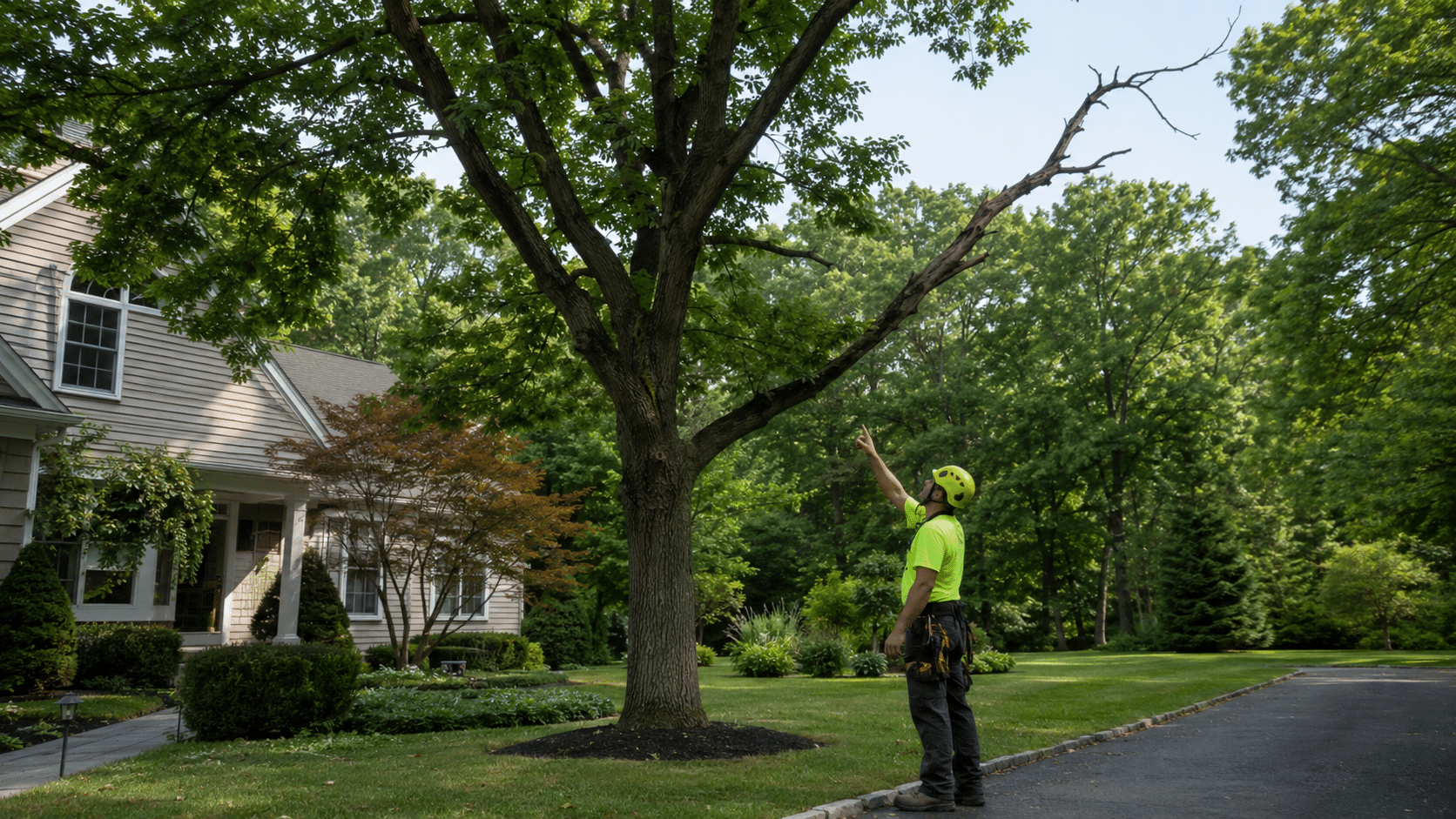
  • A dead or cracked limb
  • Branches growing toward a roof or building
  • Low limbs reducing clearance
  • Crossing or rubbing branches
  • A crowded section of the canopy
  • A branch blocking access to part of the property

Whole-tree concerns may include:

  • Extensive dead growth
  • A new or worsening lean
  • Major trunk cracks or cavities
  • Visible decay affecting several areas
  • Damage around the base or roots
  • Multiple large broken limbs
  • A location that creates an ongoing property conflict

This distinction is a useful starting point, but the tree’s complete condition and surroundings still matter.

When Tree Trimming May Be Enough

Tree trimming may be appropriate when the tree can remain and selected limbs need attention.

Common goals include creating clearance, removing damaged growth, or addressing crowding in one area. The purpose should be defined before cutting begins because trimming for roof clearance is different from trimming a broken branch.

Selective work is important. Removing more branches than necessary can affect the tree without solving the original problem. The focus should remain on the limbs responsible for the concern.

What Trimming Cannot Correct

Trimming is not a solution for every tree problem. It cannot repair extensive trunk decay, reverse significant root movement, eliminate damage affecting the complete structure, or permanently stop future growth.

A tree may also be poorly suited to its location. Repeatedly cutting branches away from the same structure may not resolve an ongoing conflict when the entire tree lacks reasonable space.

When Tree Removal May Be More Appropriate

Tree removal may be considered when the concern extends beyond individual branches.

The complete tree may need attention when it is dead, severely damaged, unstable, or located where it cannot reasonably remain. The decision should consider the canopy, trunk, base, roots, recent changes, and surrounding property.

One dead branch does not automatically justify removal. Likewise, a tree does not need to be visibly fallen before its overall condition deserves assessment.

Location Can Change the Decision

Two trees with similar visible concerns may require different approaches because of where they stand.

Important surroundings include:

  • Homes and garages
  • Roofs, siding, and windows
  • Driveways and parking areas
  • Walkways and entrances
  • Fences and sheds
  • Patios and frequently used yard areas
  • Nearby landscaping
  • Gates and access routes

A branch above an open section of lawn is different from one above a roof or entrance. A tree in a wide front yard presents different access considerations from one behind a narrow gate.

Consider Recent Changes

Changes can provide useful context. When requesting an estimate, mention whether you have noticed:

  • A lean that appears new or greater than before
  • A branch that cracked after severe weather
  • Dead growth spreading across the canopy
  • New damage around the trunk or base
  • Soil lifting near the roots
  • Branches beginning to contact a structure

Photographs taken safely from the ground can help show how the tree and its surroundings have changed.

Think About the Desired Result

Tree-care decisions are not based only on the visible defect. Your plans for the property also matter.

You may want to preserve the tree while improving clearance. You may need an unwanted or unsuitable tree removed so the area can be used differently. If removal is selected, decide whether the stump can remain or will become the next obstacle.

Tree removal and stump grinding are separate services. Include both in your estimate request if you want the standing tree and remaining stump addressed.

Information to Provide When You Are Unsure

You do not need technical tree knowledge to start the conversation. Provide:

  • The property address
  • The tree’s location
  • The branches or areas that concern you
  • Any changes you have noticed
  • Buildings, driveways, fences, or walkways nearby
  • Gate widths or other access limitations
  • The result you want from the work

This information helps distinguish a branch-level request from a whole-tree concern.

Frequently Asked Questions

Is trimming always better than removing a tree?

No. Trimming may be suitable when the tree can remain and selected branches need attention. Removal may be considered when the concern affects the complete tree.

Does one dead branch mean I need tree removal?

No. One dead branch may only require trimming. The condition of the canopy, trunk, base, roots, and surrounding area should be considered before choosing removal.

Can trimming permanently stop branches from growing toward my home?

No. Trees continue growing after trimming. Future trimming needs depend on the tree, its location, and how the canopy develops.

Is stump grinding automatically included with tree removal?

No. Tree removal and stump grinding are separate services. Request both if you do not want the stump to remain.

Request an Assessment for Your Tree

If you are unsure whether selected branches or the complete tree should be addressed, Lodema Tree Service can assess the situation and discuss the relevant service for your Northern New Jersey property.

Call (973) 875-9875 or request a free estimate.
check-trees-after-storm-northern-nj.png

How to Check Your Trees After a Storm in Northern New Jersey

Wind, rain, snow, and ice can change a tree in a matter of minutes. A tree that looked unchanged before a storm may have a broken limb, new crack, altered lean, or damage around its base afterward.

Property owners can notice many of these changes from the ground. The goal is not to diagnose the tree or approach dangerous branches. It is to identify visible warning signs, keep people away from questionable areas, and determine whether the tree may need professional attention.

Begin With Safety

Observe the tree from a safe distance. Do not stand under hanging branches, climb the tree, use a ladder, or attempt to pull down a damaged limb.

If a branch is touching or close to a utility line, stay away and contact the appropriate utility provider. Do not attempt to cut or move the branch yourself.

Keep children, pets, vehicles, and visitors away from the area beneath visibly damaged branches until the situation has been assessed.

Scan the Canopy From More Than One Angle

The canopy may show the first obvious signs of storm damage. Walk around the property only where it is safe and view the tree from several angles.

Look for:

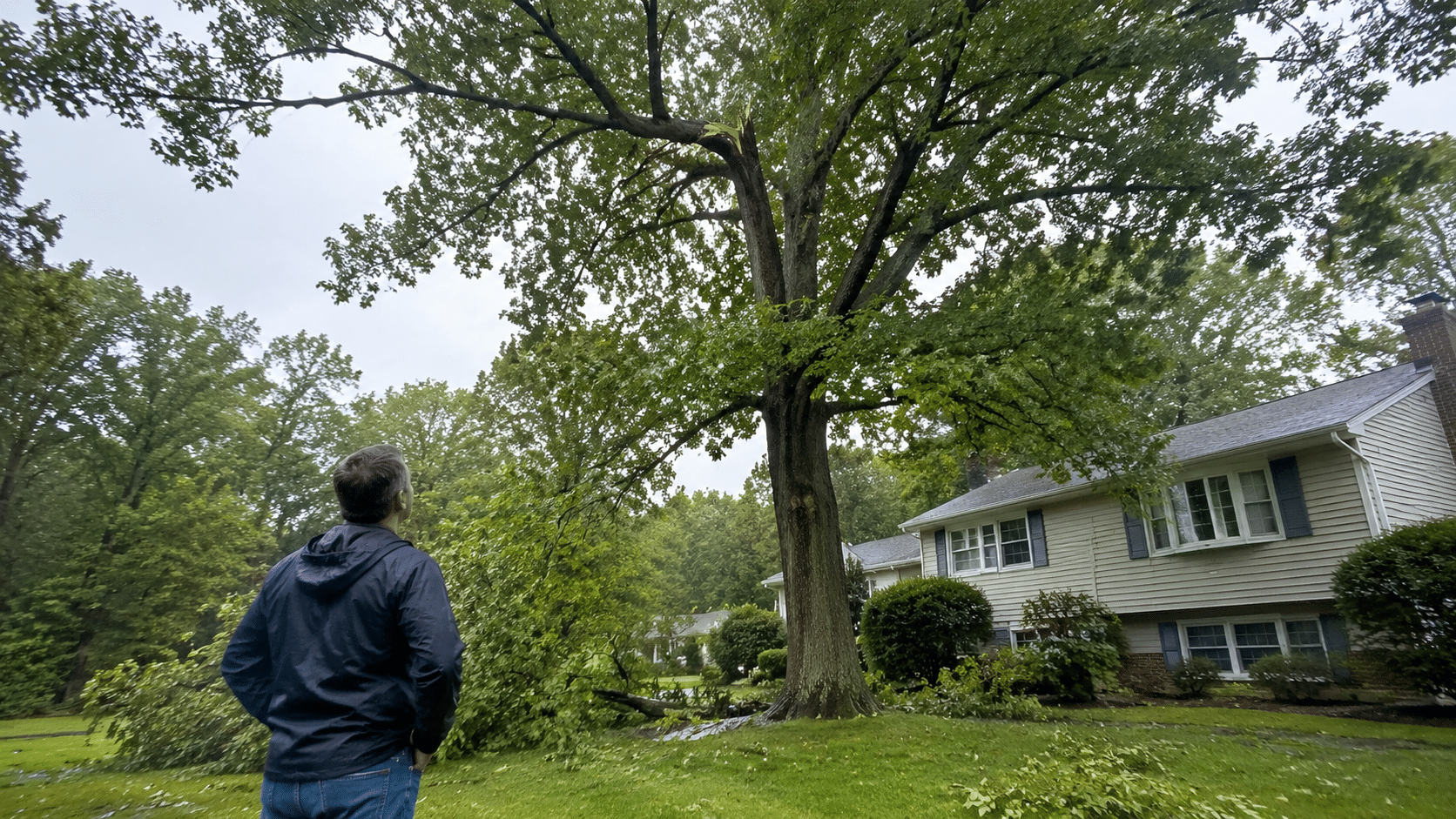
  • Freshly broken branches
  • Limbs hanging at an unusual angle
  • Branches resting on a roof, fence, or another tree
  • Sections that suddenly appear thinner than the surrounding canopy
  • Cracks where large limbs connect to the trunk
  • Debris caught among branches
  • Dead limbs that have shifted or partially detached

A damaged branch does not automatically mean the entire tree must be removed. When the concern is limited to individual limbs and the tree can remain, tree trimming may be the relevant service.

Look for Changes in the Trunk

Storm movement can expose or worsen trunk problems. From the ground, check for changes that were not present before the weather event.

Visible concerns can include:

  • New cracks or splits
  • Fresh areas of missing bark
  • Open cavities
  • Separation where the trunk divides
  • Broken sections near major branch connections
  • Areas that appear crushed, twisted, or newly exposed

The trunk supports the complete tree. Damage in this area may be more significant than a problem limited to one branch.

Check the Base and Surrounding Soil

The ground around a tree can reveal movement that is easy to overlook when attention is focused on the canopy.

Look from a safe position for:

  • Soil lifting on one side of the tree
  • New gaps between the trunk and surrounding ground
  • Exposed or visibly damaged roots
  • Cracks in the soil near the base
  • Movement around the root area
  • New leaning accompanied by disturbed soil

Do not dig around the roots or press on a leaning tree. Photograph visible changes from a distance so they can be compared or discussed during an assessment.

Notice Any Change in Lean

Some trees naturally grow at an angle. The important question is whether the lean is new or has increased.

A noticeable change after severe weather, especially when combined with soil movement, root changes, trunk cracking, or broken limbs, is a reason to keep away from the area and request an assessment.

Trimming cannot correct every stability problem. When damage or instability affects the complete tree, tree removal may need to be considered.

Check What Is Beneath and Beside the Tree

The tree’s surroundings affect the urgency and planning of any work. A damaged branch above an open part of the yard creates a different situation from one above a roof, driveway, walkway, vehicle, patio, or entrance.

Take note of:

  • Buildings beneath or beside the canopy
  • Driveways and frequently used walkways
  • Fences, sheds, and landscaping
  • Vehicles normally parked below the tree
  • Gates or narrow spaces that may affect access

These details help explain the complete situation when requesting an estimate.

When Trimming May Be Appropriate

Trimming may be suitable when the tree can remain but selected branches are broken, dead, hanging, or interfering with the property.

The work should focus on the branches creating the concern. Removing excessive healthy growth after a storm can place additional stress on the tree and may not address the actual problem.

When Removal May Need to Be Considered

Removal may be considered when storm damage affects the complete tree rather than isolated limbs. Examples include a major new lean, extensive trunk failure, widespread canopy damage, significant root movement, or a combination of concerns affecting several parts of the tree.

No single observation provides the complete answer. The canopy, trunk, base, roots, location, and surrounding property should be considered together.

Document What You Can See

Clear photographs taken safely from the ground can help document changes. Include wide photos showing the entire tree and surrounding property, along with closer views taken only when they can be captured without approaching the damaged area.

When contacting a tree service, explain:

  • When the storm occurred
  • What changed afterward
  • Which part of the tree concerns you
  • What is located nearby
  • Whether the area has limited access
  • Whether branches, the entire tree, or a remaining stump are involved

For additional year-round guidance, review these tree service tips for Northern New Jersey property owners.

Frequently Asked Questions

Can I inspect a storm-damaged tree myself?

You can observe visible changes from a safe distance. Do not climb the tree, stand beneath hanging limbs, or approach branches near utility lines.

Does a broken branch mean the tree must be removed?

No. Damage limited to individual branches may be addressed through trimming. Removal may be considered when damage or instability affects the complete tree.

What should I do about a branch near a utility line?

Stay away from the branch and contact the appropriate utility provider. Do not attempt to cut, move, or pull it down.

Can storm damage be difficult to see?

Yes. Some changes are not obvious from one angle. Observe the tree safely from multiple positions and request an assessment if you notice a significant change or remain concerned.

Request Tree Service After a Storm

If a storm has left damaged branches or changed the condition of a tree on your Northern New Jersey property, Lodema Tree Service can help determine whether trimming or removal is the appropriate next step.

Call (973) 875-9875 or request a free estimate.